

“Do not forget Vodou is our culture and our religion at the same time. Don't forget we are descendants of Africans. We're born in Vodou.”
Ongan Michelet Alisma (meesh-lay al-smah), priest

“Gede (ancestral spirits) and all the others are always present anytime they are called upon. We feel as if they are with us always and they hear us whenever we call on them.”
Manbo Amelia Ingrid Llera (ah-mee-lee-yah een-grid yeh-rah), priestess
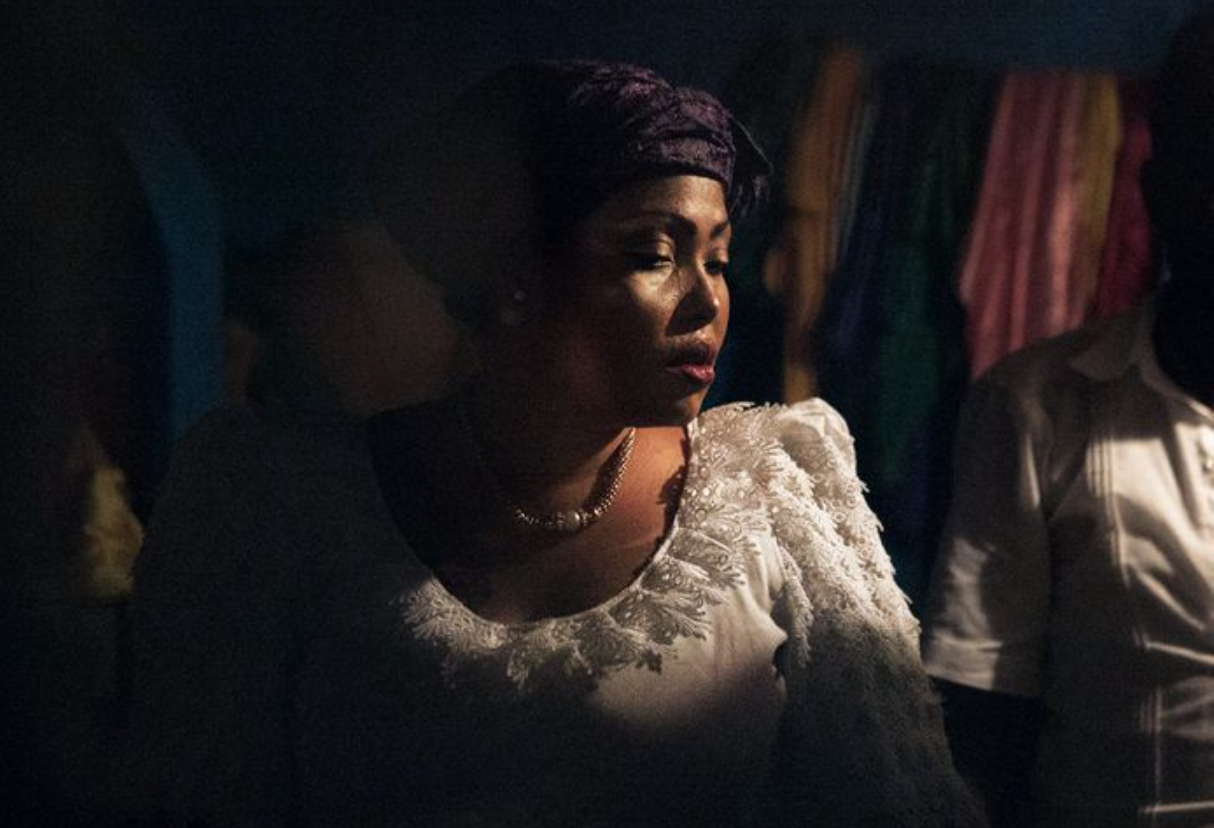
“Vodou comes from the enslaved people of Africa… They walked all over the world and came here to our land. This is the way we came to have the vodou spirit within us.”
Manbo Katy (mahn-bow kay-tee), healer & priestess

“We do not want to live in the past. The past that lives in us will transform this country for the better.”
Denildo “Biko” Rodrigues (day-neel-doh bee-koh rod-ree-guess), coordinator, national Quilombo Association (Conaq)

“Today we work rescuing our memory…It is all connected to our history - to return to the past, to seek our origins, to learn good things, to bring to the present and build a better future.”
Adilson Almeida (ah-deel-sun ah-may-dee-yah), Quilombo do Camorim Cultural Association

“That’s what we do here in this small corner hidden within the Amazon. Surviving so that we can obtain land titles and guarantee a piece of land for us to live on, for the future of our children.”
Claudinete Colé (claw-dee-neh-tee koh-lay), Boa Vista community leader

“It is important to stress: the fight is not just ours. Preserving the environment and our history is in everyone's interest.”
Sandra Maria da Silva Andrade (sahn-drah mahr-ee-ah dah sill-vah ahn-drah-day), leader Minas Gerais

“We’ve left behind the ‘I’ in order to work for ‘us’ and the ‘my’ to work for ‘ours’. What is mine? The house, the clothes. And what is ours? The land.”
Benedito Alves da Silva (ben-eh-dee-toe ahl-vays dah-seel-vah), President Association Ivaporundura

“We only worked collectively, doing collective projects, puxirum (poo-she-room) as we called it, and the work was always divided with the plots right next to each other.”
Daniel de Souza (dah-nee-yell day soh-zah), territorial leader, Jauary

“We do as our ancestors taught us. People need to know where (their) food… comes from. Our typical dishes came from the slave quarters and remain made without chemicals or poison.”
Heloísa de França Dias (eh-low-ee-zah day-fran-kah dee-ahz), community educator, Sao Pedro

“Our struggle, like our grandparents’ and great-grandparents’, is to defend this land so that we can hand it over to the new generations just as it was when we received it.”
Adrienne (Drica) (ah-dreen) (dree-kah), teacher, Cachoeira Porteira

“I'm certain family members have suffered tremendously (from the deaths of family at the hands of soldiers) but I'm not familiar with the techniques used to express such suffering in monetary terms.”
Merina Eduards (meh-ree-nah ed-wahrdz), expert witness - Inter-American Court of Human Rights

“Our ancestors fought for and won their freedom from slavery and established autonomous communities. We fight for and won our right for legal recognition, controlling and managing our territory.”
Hugo Jabini (hyou-go yah-bee-nee), Member of Surinam’s Parliament

“I know what it is like to lose land. I am from a transmigration village. We cannot let this happen again or there will be no more Saamaka people. We will be like ghosts.”
Silvi Adjako (sill-vee ahd-jok-oh), subsistence and market farmer

“When we fell trees we are thinking of our children and grandchildren, of the future generations. When the outsiders come in they just clear-cut a whole area and then take away what they want.”
Cesar Adjako (say-zar ahd-jok-oh), village Captain

“From a very young age I was taught by my grandfather the medicinal purposes of the plants around our region - a traditional way to pass on ancient knowledge and practices.”
Wendell Paulus (wen-dell pow-luss), Saamakan food entrepreneur


“When our ancestors fled…they did not carry anything with them. They learned how to live – what plants to eat, how to deal with subsistence needs once they got to the forest. It is our whole life.”
Wanze Eduards (wahn-zeh ed-wahrdz), Saamaka Headcaptain

“On September 19, 1762… our ancestors, the Saamaka maroons, signed a peace treaty with the Dutch Crown…acknowledging their territorial rights and trading privileges…It still goes on.”
Miquella Soemar-Huur (mee-gwell-lah so-mahr hyour), Surinam National Assembly

“The work to heal the island will heal the soul of our people. Each time we pick up a stone to restore a cultural site… we pick up ourselves, as Hawaiians.”
Dr. Noa Aluli (no-ah -ah-loo-lee), healer of land and people